Table Of Content

Asian adults were categorized as “living near or below the poverty line” if their approximate family income, after being adjusted for family size, falls at or below 100% of the 2022 federal poverty line. All Asian adults who meet the criteria above are used for the analysis of Asians in poverty, irrespective of their status as students or not. Westat assigned all sampled cases a result code for their participation in the screener, and then they assigned a result for the extended questionnaire for those who were eligible for the survey of Asian Americans. One is the category “4.313 No such address.” This category is for addresses that were returned by the U.S. This status indicates the address, which was on the USPS Delivery Sequence File at the time of sampling, currently is not occupied or no longer exists. The second category is “4.90 Other.” This category contains 588 addresses that were never mailed because they had a drop count of greater than four.
Defining Characteristics of Cross-Sectional Studies
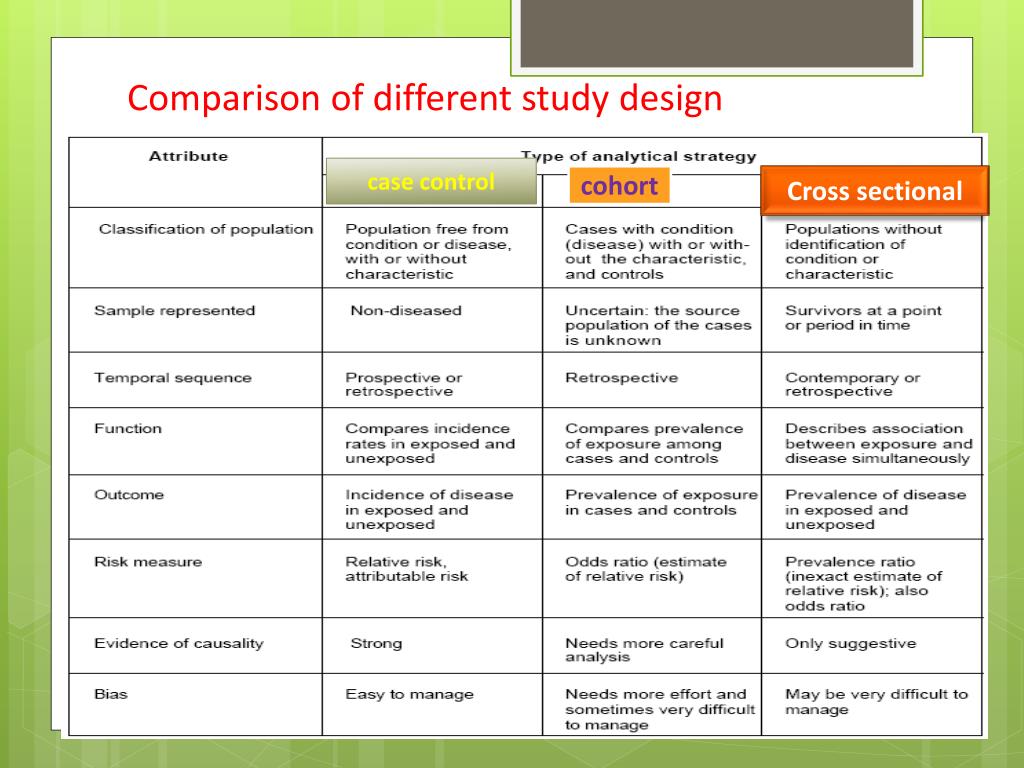
It can be used to assess the prevalence of outcomes and exposures, determine relationships among variables, and generate hypotheses about causal connections between factors to be explored in experimental designs. A cross-sectional study design is a type of observational study, or descriptive research, that involves analyzing information about a population at a specific point in time. In the first stage, a short screening survey was administered to a national sample of U.S. adults to collect basic demographics and determine a respondent’s eligibility for the extended survey of Asian Americans. Screener respondents were considered eligible for the extended survey if they self-identified as Asian (alone or in combination with any other race or ethnicity).
Cross-sectional studies: Definition, benefits, and challenges
Tigecycline emerged the most effective antibiotic with 100% sensitivity while ampicillin registered 100% resistance. Six out of 19 (32%) antibiotics had greater than 50% sensitivity (ciprofloxacin 55%, ceftriaxone 54%, piperacilin/tazobactam 53%, ertapenem 65%, chloramphenicol 61% and Tigecycline 100%). Chloramphenicol, ertapenem and Tigecycline had the highest sensitivity in the ascending order. Performance of common antibiotics for treating STIs was quite poor with gentamycin and doxycycline registering sensitivity of 39% and 12% respectively (Fig. 1). Rumphi district hospital laboratory is accredited by Southern Africa Development Community Accreditation Service (SADCAS). The laboratory has been implementing quality management systems (QMS) for the past twelve years.
General antibiotic resistant patterns
We acknowledge that the absence of essential antibiotics during PPS might have affected the outcome interms of the reported frequencies in antibiotics use. It was also difficult to determine whether all antibiotics tested over the past four years maintained their effectiveness or not as they were subjected to varying storage conditions. Besides, both the patient and AST test results sample sizes were comparatively small to other referred studies done in hospital settings. This is because we only targeted suspected MDR cases on return patients and those with prolonged hospital stay. As such the PPS findings on the pattern of antimicrobial use may not be a true reflection of the hospital prescribing practices which are usually dynamic. Moreover, few facilities participated at national level hence findings did not reflect national level.
A cross-sectional study will include several variables and sample groups, meaning it will collect data for all the different sample groups at once. However, in longitudinal studies, the same groups with similar variables can be observed repeatedly. The key difference is that a cross-sectional study is designed to look at a variable at a particular point in time. A longitudinal study evaluates multiple measures over an extended period to detect trends and changes.
Might Prompt Further Study
As cross-sectional studies are cheaper and less time-consuming than many other types of study, they allow you to easily collect data that can be used as a basis for further research. Cross-sectional studies can be done much quicker than longitudinal studies and are a good starting point to establish any associations between variables, while longitudinal studies are more timely but are necessary for studying cause and effect. Cross-sectional studies are designed to look at a variable at a particular moment, while longitudinal studies are more beneficial for analyzing relationships over extended periods.
On the other hand, longitudinal studies excel in observing how variables evolve, providing insights into dynamics and causal pathways. However, longitudinal data collection requires more resources, time, and a rigorous design to manage participant attrition and ensure consistent data collection over the study period. Cross-sectional designs help determine the prevalence of a disease, phenomena, or opinion in a population, as represented by a study sample.
They differ from time series analysis, in which the behavior of one or more economic aggregates is traced through time. The statistical literature has numerous articles discussing the pros and cons of using either the POR/OR or PR/RR for cross-sectional studies (Tamhane et al., 2016). Consulting a statistician to discuss the best choice for each project is highly recommended.
Exploratory cross-sectional studies
For the sub-factor scores of simulation design, the feedback score was the highest, and the fidelity score was the lowest, and a study of Korean nursing students reported similar results [29]. Fidelity is categorized into physical, conceptual, and psychological fidelity, and fidelity is an important factor in simulation design because realism immerses learners in the simulation situation. While cross-sectional studies are efficient for gathering data at one point in time and are less costly and time-consuming than longitudinal studies, they fall short in tracking changes over time or establishing cause-and-effect relationships.
Elon Musk confirms that Tesla's logo is the cross section of an electric motor - Electrek
Elon Musk confirms that Tesla's logo is the cross section of an electric motor.
Posted: Tue, 24 Jan 2017 08:00:00 GMT [source]
It has well qualified and well trained laboratory scientists capable of conducting culture and AST. Besides, the laboratory is involved in a number of proficiency testing schemes for bacteriology such as EQuAFRICA and the National Health Laboratory Service (NHLS). Bacteria identification and interpretation of AST results is done by atleast two laboratory scientists working in the microbiology section. An analytical cross-sectional study investigates the relationship between two related or unrelated parameters.
A cross-sectional study is a type of research that collects data from a group of people at a single point in time to analyze characteristics and relationships. QuestionPro provides various tools for analyzing your collected data, cross-tabulation, and more. Whether you’re a researcher, marketer, or business professional, QuestionPro can help you gather the data you need to make informed decisions. Check out some of the critical advantages of conducting online research using cross-sectional studies and see if it’s a good fit for your needs.
Later, Westat sent a final paper version via FedEx to eligible adults who had not completed the extended interview online or by paper. Those excluded were people solely of Southwest Asian descent (e.g., Lebanese, Saudi), those with Central Asian origins (e.g., Afghan, Uzbek) as well as various other non-Asian origins. The impact of excluding these groups is small, as together they represent about 1%-2% of the national U.S. Asian population, according to a Pew Research Center analysis of the 2021 American Community Survey.
Unlike descriptive studies that focus on prevalence and distribution, analytical cross-sectional studies aim to uncover potential associations between variables. These studies often compare different groups within the population to identify factors that may correlate with certain outcomes. In practice, cross-sectional studies collect data across a wide range of subjects at a single moment, aiming to capture a comprehensive picture of a particular research question. Researchers might analyze various factors, including demographic information, behaviors, conditions, or outcomes, to discern patterns or correlations within the population studied. Cross-sectional studies are a fundamental research method used across various fields to analyze data at a specific point in time.
International organisations like the World Health Organization or the World Bank also provide access to cross-sectional datasets on their websites. Epidemiology is a branch of public health that views a community as the “patient” and various health events as the “condition” that needs treatment, according to the Centers for Disease Control and Prevention (CDC). I. A well-designed randomized controlled trial, where feasible, is generally the strongest study design for evaluating an intervention’s effectiveness. Evidence-based practice includes the integration of best available evidence, clinical expertise, and patient values and circumstances related to patient and client management, practice management, and health policy decision-making. Epidemiology is the study of the distribution and determinants of health-related states or events in specified populations, and the application of this study to the control of health problems (1).
Exploratory cross-sectional studies are conducted to explore potential relationships or hypotheses when little is known about a subject. By examining available data, they can generate hypotheses for further research without committing extensive resources to long-term studies. In economics, cross-sectional studies typically involve the use of cross-sectional regression, in order to sort out the existence and magnitude of causal effects of one independent variable upon a dependent variable of interest at a given point in time.
The supplemental samples (i.e., Chinese, Filipino, Indian, Korean and Vietnamese surname lists) also had a probability of selection from the list frames. Because all of the addresses in the list frames are also included in the ABS frame, these addresses had multiple opportunities for these addresses to be selected, and the base weights include an adjustment to account for their higher probability of selection. In the last month of data collection, an additional mailing was added to boost the number of Vietnamese respondents. This was sent in a No. 10 envelope with a wide window and was assembled with a $1 bill visible through the envelope window. If an eligible respondent completed a paper screener, Westat mailed them the extended survey and a postage-paid return envelope.



No comments:
Post a Comment